

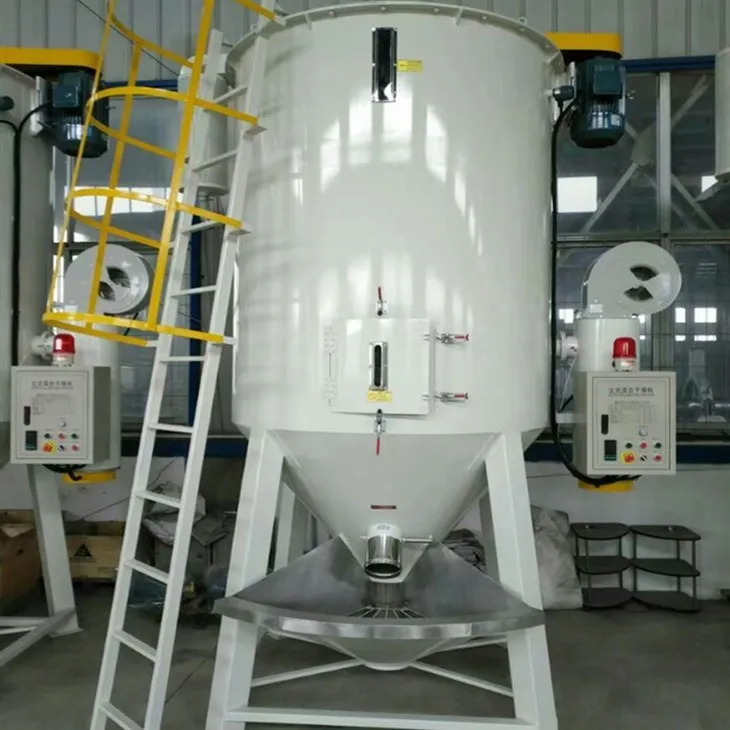
Maintaining a PVC mixer machine properly is crucial for ensuring its long - term performance, efficiency, and reliability. As a PVC mixer machine supplier, I understand the significance of proper maintenance in the plastic processing industry. In this blog, I will share some key tips on how to maintain a PVC mixer machine effectively.
Regular Cleaning
One of the most fundamental aspects of maintaining a PVC mixer machine is regular cleaning. PVC materials can leave residues inside the mixer, which may accumulate over time and affect the machine's performance. After each use, it is essential to clean the mixing chamber thoroughly. Use a suitable cleaning agent that is compatible with the PVC materials and the machine's internal components. For example, a mild detergent solution can be used to wipe down the interior surfaces.
Remove any leftover PVC particles, dust, or debris from the mixing blades, paddles, and other moving parts. Pay special attention to the corners and crevices where residues are likely to accumulate. A soft brush or a compressed air gun can be used to dislodge stubborn particles. Regular cleaning not only prevents the build - up of contaminants but also helps to maintain the hygiene of the machine, which is especially important in food - grade or medical - grade PVC processing.
Lubrication
Proper lubrication is vital for the smooth operation of a PVC mixer machine. The moving parts, such as bearings, gears, and shafts, need to be lubricated regularly to reduce friction and wear. Refer to the machine's manual to determine the appropriate type of lubricant and the recommended lubrication intervals.
Over - lubrication can be as harmful as under - lubrication. Too much lubricant can attract dust and debris, leading to clogging and potential damage to the components. On the other hand, insufficient lubrication can cause excessive friction, heat generation, and premature wear of the parts. Use a high - quality lubricant that is designed for the specific operating conditions of the PVC mixer machine, such as high - temperature or high - pressure applications.
Inspection of Electrical Components
The electrical components of a PVC mixer machine play a critical role in its operation. Regularly inspect the wiring, switches, and control panels for any signs of damage, such as frayed wires, loose connections, or overheating. A damaged electrical component can not only cause the machine to malfunction but also pose a safety hazard.
Check the grounding of the machine to ensure that it is properly connected and functioning. Faulty grounding can lead to electrical shocks or short - circuits. If you notice any issues with the electrical components, it is recommended to have them repaired or replaced by a qualified electrician.
Belt and Chain Tension
Many PVC mixer machines use belts and chains to transfer power from the motor to the mixing components. It is important to check the tension of these belts and chains regularly. Loose belts or chains can slip, resulting in reduced power transmission and inefficient mixing. On the other hand, overly tight belts or chains can cause excessive stress on the bearings and other components, leading to premature wear.
Refer to the machine's manual for the correct tension specifications. You can use a tension gauge to measure the tension accurately. If the belts or chains need adjustment, follow the proper procedures outlined in the manual to ensure safe and effective operation.
Calibration
Periodic calibration of the PVC mixer machine is necessary to ensure accurate and consistent mixing results. Calibration involves adjusting the machine's settings, such as speed, temperature, and mixing time, to match the desired specifications.
Use calibrated measuring instruments to verify the accuracy of the machine's sensors and controls. For example, a thermometer can be used to check the temperature accuracy of the heating elements in a Hot Mixer. If the calibration is off, make the necessary adjustments according to the manufacturer's instructions.
Maintenance of the Mixing Blades
The mixing blades are the heart of a PVC mixer machine. They are responsible for blending the PVC materials evenly. Regularly inspect the mixing blades for wear and damage. Over time, the blades may become dull or chipped, which can affect the quality of the mixing.
If the blades show signs of excessive wear, they should be replaced promptly. It is also important to ensure that the blades are properly installed and tightened. Loose blades can cause vibrations and uneven mixing, and may even pose a safety risk.
Monitoring of Operating Parameters
Keep a close eye on the operating parameters of the PVC mixer machine, such as temperature, pressure, and motor current. Abnormal changes in these parameters can indicate potential problems with the machine. For example, a sudden increase in motor current may suggest a mechanical overload or a problem with the electrical system.
Use the machine's built - in monitoring system or install additional monitoring devices to track the operating parameters continuously. Set up alarms or notifications to alert you when the parameters exceed the normal range.
Training of Operators
Proper training of the operators is essential for the correct use and maintenance of a PVC mixer machine. Operators should be familiar with the machine's operating procedures, safety precautions, and basic maintenance tasks. They should know how to start and stop the machine correctly, how to load and unload the materials, and how to perform routine cleaning and lubrication.
Provide regular training sessions to update the operators' knowledge and skills. Encourage them to report any issues or abnormalities they notice during the operation of the machine.

Storage
If the PVC mixer machine is not going to be used for an extended period, proper storage is necessary. Clean the machine thoroughly before storage to prevent the growth of mold or corrosion. Lubricate all the moving parts to protect them from rust.
Cover the machine with a protective cover to prevent dust and debris from accumulating. Store the machine in a dry, clean, and well - ventilated area. Avoid storing the machine in areas with extreme temperatures or high humidity.
Comparison with Other Machines
In the plastic processing industry, there are different types of mixers, such as Horizontal Mixer and PVC Pulverizer Machine. While the basic maintenance principles are similar, each type of machine may have its own unique maintenance requirements.
For example, a horizontal mixer may require more attention to the alignment of the mixing shaft due to its horizontal configuration. A PVC pulverizer machine may need more frequent cleaning of the grinding chamber to prevent clogging. Understanding the specific maintenance needs of different machines can help you make the most appropriate maintenance plan.
Conclusion
Maintaining a PVC mixer machine properly is a multi - faceted task that requires attention to detail, regular inspections, and proper training of operators. By following these maintenance tips, you can extend the lifespan of your PVC mixer machine, improve its performance, and ensure the quality of your PVC products.
If you are in the market for a high - quality PVC mixer machine or need more information on maintenance, feel free to contact us. We are here to provide you with the best solutions and support for your plastic processing needs.
References
- Manufacturer's manuals of PVC mixer machines
- Industry standards and guidelines for plastic processing equipment maintenance


