

In the world of construction and interior decoration, PVC ceiling panels have gained significant popularity due to their versatility, durability, and aesthetic appeal. As a leading supplier of PVC Ceiling Panel Machine, we often receive inquiries about the maximum thickness of PVC ceiling panels that our machines can produce. In this blog post, we will explore this topic in detail, shedding light on the factors that influence panel thickness and the capabilities of our cutting-edge equipment.
Understanding PVC Ceiling Panels
PVC, or polyvinyl chloride, is a synthetic plastic polymer that is widely used in various industries, including construction. PVC ceiling panels are made by extruding PVC resin through a die, which gives the panels their desired shape and size. These panels are available in a variety of thicknesses, colors, and patterns, making them suitable for a wide range of applications, from residential homes to commercial buildings.
Factors Affecting the Maximum Thickness of PVC Ceiling Panels
The maximum thickness of PVC ceiling panels that a machine can produce is influenced by several factors, including the design and specifications of the machine, the properties of the PVC resin, and the processing conditions. Let's take a closer look at each of these factors:
Machine Design and Specifications
The design and specifications of the PVC ceiling panel machine play a crucial role in determining the maximum thickness of the panels that can be produced. Machines with larger extruders and dies are generally capable of producing thicker panels. Additionally, the screw design and the heating and cooling systems of the machine can also affect the panel thickness. Our PVC Ceiling Panel Machine is engineered with advanced technology and high-quality components to ensure optimal performance and the ability to produce panels with a wide range of thicknesses.
Properties of the PVC Resin
The properties of the PVC resin used in the production of ceiling panels can also impact the maximum thickness. PVC resins with higher molecular weights and better flow properties are generally more suitable for producing thicker panels. These resins can withstand the higher pressures and temperatures required during the extrusion process without degrading or losing their physical properties. Our machines are compatible with a variety of PVC resins, allowing our customers to choose the most suitable resin for their specific application and desired panel thickness.
Processing Conditions
The processing conditions, such as the extrusion temperature, pressure, and speed, also play a significant role in determining the maximum thickness of PVC ceiling panels. Higher extrusion temperatures and pressures can increase the flow of the PVC resin and allow for the production of thicker panels. However, these conditions must be carefully controlled to prevent overheating and damage to the resin. Our machines are equipped with advanced control systems that allow for precise regulation of the processing conditions, ensuring the production of high-quality panels with consistent thickness.
Capabilities of Our PVC Ceiling Panel Machine
Our PVC Ceiling Panel Machine is designed to meet the diverse needs of our customers and can produce PVC ceiling panels with a maximum thickness of up to [insert maximum thickness]. This high level of versatility allows our customers to produce panels for a wide range of applications, from standard ceiling installations to more specialized projects that require thicker panels for added strength and durability.
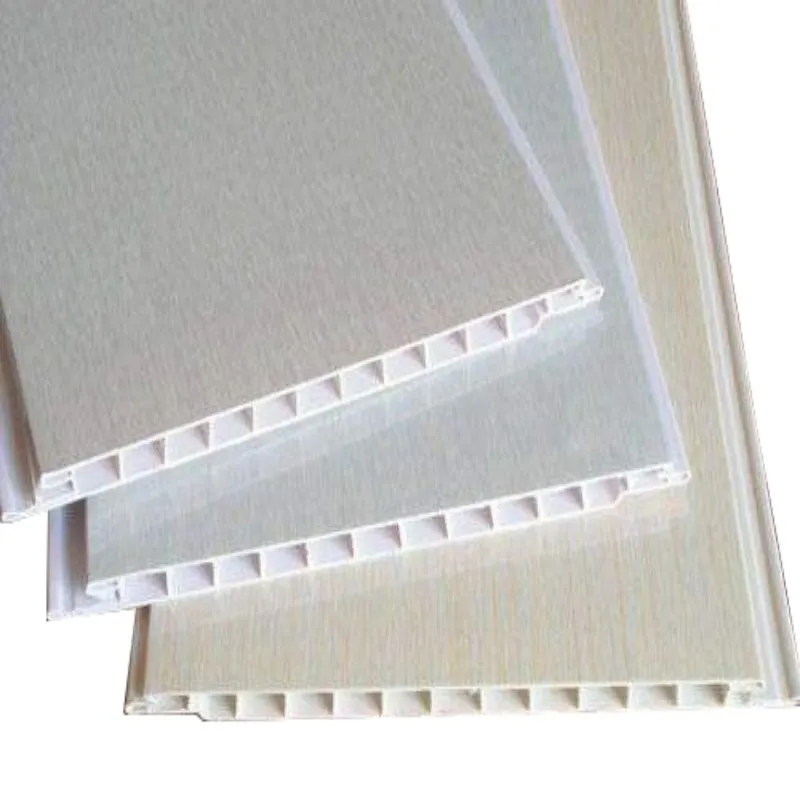

In addition to producing panels with a large maximum thickness, our machine also offers several other advantages, including high production efficiency, low energy consumption, and easy operation and maintenance. These features make our machine a cost-effective and reliable solution for PVC ceiling panel manufacturers.
Applications of Thick PVC Ceiling Panels
Thick PVC ceiling panels have a variety of applications in the construction and interior decoration industries. Some of the common applications include:
Residential Buildings
In residential buildings, thick PVC ceiling panels can be used to create a more durable and long-lasting ceiling. These panels are resistant to moisture, mold, and mildew, making them ideal for use in bathrooms, kitchens, and other areas of the home that are exposed to high levels of humidity. Additionally, thick PVC ceiling panels can provide better insulation, helping to reduce energy costs and improve the comfort of the living space.
Commercial Buildings
Commercial buildings, such as offices, shops, and restaurants, also benefit from the use of thick PVC ceiling panels. These panels can enhance the aesthetic appeal of the interior space while providing a practical and cost-effective solution for ceiling installation. Thick PVC ceiling panels are also easy to clean and maintain, making them a popular choice for high-traffic areas.
Industrial Buildings
In industrial buildings, thick PVC ceiling panels can be used to protect the ceiling from damage and provide a clean and hygienic environment. These panels are resistant to chemicals, abrasion, and impact, making them suitable for use in factories, warehouses, and other industrial facilities.
Other Products in Our Portfolio
In addition to our PVC Ceiling Panel Machine, we also offer a range of other machines and production lines for the PVC industry. Our PVC Imitation Marble Sheet Extrusion Machine Line is designed to produce high-quality PVC imitation marble sheets, which are widely used in interior decoration. Our PS Foaming Profile Production Line is capable of producing PS foaming profiles with various shapes and sizes, which are commonly used in the construction and furniture industries.
Contact Us for Your PVC Ceiling Panel Machine Needs
If you are interested in learning more about our PVC Ceiling Panel Machine or other products in our portfolio, we encourage you to contact us. Our team of experts is available to provide you with detailed information, answer your questions, and help you choose the most suitable machine for your specific needs. Whether you are a small-scale manufacturer or a large industrial enterprise, we have the solutions to meet your requirements.
References
- "Plastics Extrusion Technology," by J. L. White and H. Potente.
- "Handbook of PVC Formulating," by Edward J. Wickson.
- "Plastic Product Design Handbook," by Robert A. Malloy.


