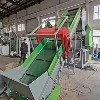
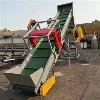
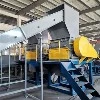
PU tube extrusion machine

1. Extruder: This is the heart of the line, where PU raw material is melted and mixed. The extruder's screw and barrel work together to ensure even melting and proper viscosity.
2. Die Head: The molten PU is shaped into a tube as it exits through the die head. The precision of the die determines the tube's dimensions and quality.
3. Cooling System: After extrusion, the hot PU tube passes through a cooling bath or cooling tunnel, solidifying its shape and improving surface finish.
4. Puller: This mechanism pulls the tube continuously from the extrusion die, ensuring uniform thickness and length.
5. Winder or Cutter: Depending on the production requirements, tubes are either wound into coils or cut into specific lengths for further processing or packaging.
- High Efficiency: Automated continuous operation reduces manual labor and boosts productivity.
- Precision: Advanced die design and controlled cooling yield tubes with consistent wall thickness and smooth finishes.
- Versatility: Suitable for tubes with varying diameters and thicknesses tailored to diverse applications.
- Durability: Polyurethane tubes offer excellent abrasion resistance, elasticity, and chemical stability.


The operation begins with feeding polyurethane raw material, typically in pellet form, into the extruder hopper. The extruder heats and softens the material, forcing it through the die head shaped like a hollow cylinder. The extruded tube enters the cooling system, which quickly stabilizes its shape. The puller maintains steady tension, and finally, the tube is either cut or coiled according to output demands.
PU tubes are widely used across many industries:
- Automotive: Fuel lines, brake hoses, and air conditioning systems.
- Medical: Flexible tubing for catheter and medical instrument applications.
- Industrial: Pneumatic lines, hydraulic hoses, and protective cable sleeves.
- Consumer Products: Sports equipment, electronics, and home appliances tubing.


The PU tube extrusion line is a vital piece of equipment enabling mass production of high-quality polyurethane tubing. Understanding its components, processes, and benefits helps manufacturers optimize production and meet market demands effectively.